
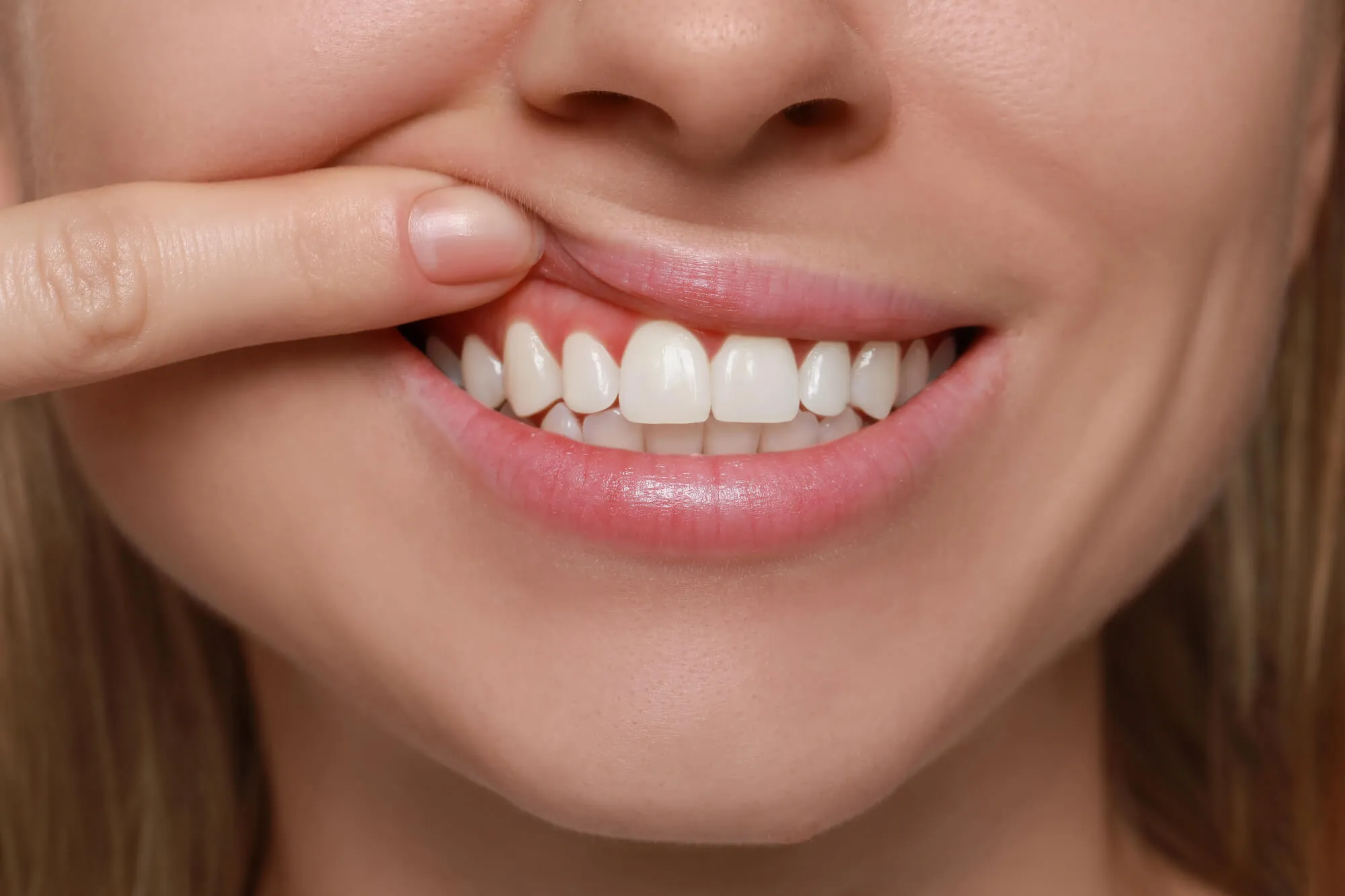
A gum disease diagnosis rarely comes with a step-by-step plan for what to do next. You leave the office with a new label for your gums, and the old routine of brushing twice and calling it done no longer covers what your gums need during periodontal treatment. Rebuilding it isn’t complicated once you know what matters most.
Below, a periodontist in Boca Raton breaks down the habits, tools, and checkups that keep your gums on track.

Your toothbrush and floss still matter, but the technique behind them changes once gum health becomes the focus. Angle the bristles at 45 degrees toward the gumline and use short, gentle strokes instead of scrubbing back and forth. Floss should hug the side of each tooth in a C-shape, reaching just under the gum edge rather than snapping straight down.
A standard brush-and-floss combo often misses the spots your periodontist is watching most closely. A few additions make the routine more thorough:
The American Dental Association has detailed guidance on choosing interdental cleaning tools that fit different mouths and gum conditions, and your periodontist can point you toward the combination that suits your case.
What you eat and drink shows up in your gums faster than you’d expect. Cutting back on sugary snacks and staying hydrated reduces the bacteria that irritate gum tissue, and smoking slows healing considerably. The CDC outlines several periodontal disease risk factors worth knowing as you adjust your habits.
Bleeding, swelling, or tenderness that lingers past the first week or two is worth a call, not a guess. Reviewing the signs of gum disease can help you quickly spot the difference between normal healing and a setback.
Home care carries most of the weight, but it works best alongside consistent professional support. Skipping straight back to a once-a-year cleaning schedule undoes a lot of the progress your gums just made. Most patients do better with periodontal maintenance visits spaced closer together at first, then spread out as their gums stabilize.
Your care team will also check pocket depth, watch for early recession, and adjust your plan as your mouth responds to treatment. Bring your questions to those visits. Small changes in your routine are easier to fine-tune with someone tracking your progress than by trial and error at home.
Right away. Waiting for the next appointment gives bacteria more time to settle back in.
Early gingivitis often responds well to a consistent routine and professional cleanings. Once it advances to periodontitis, the goal shifts to managing and stabilizing your gum disease treatment outcomes.
Some bleeding fades within days, but ongoing bleeding may mean your routine or treatment plan needs adjusting. Call your dental team instead of waiting it out.
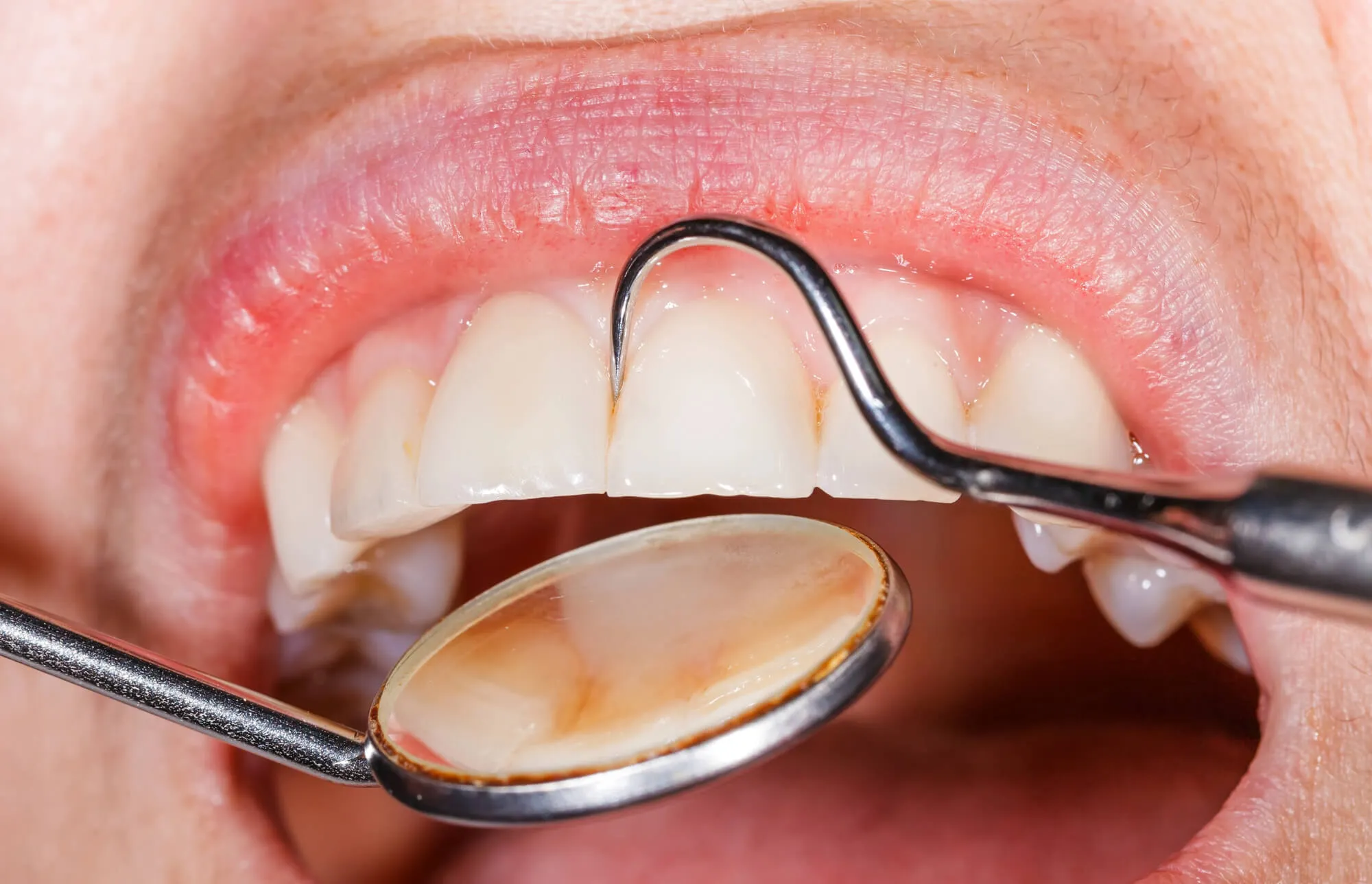
Your gums deserve more than guesswork, and that’s what our team is built for. As your One Dental Home, 5th Avenue Dental pairs genuine care with steady, personal attention that makes rebuilding a routine feel manageable. Whether you’re a few days or months into treatment, schedule an appointment, and we’ll help you fine-tune the plan together.

A dental practice dedicated to your wellbeing. Welcome to your new home for comprehensive, high-quality dental care.


Copyright © 2024. 5th Avenue Dental - All rights reserved.
Designed and Maintained by Digital Resource


