

Many adults expect changes in their vision, joints, or energy levels as they get older, but fewer think about how age can affect their teeth and gums. Then one day, cold drinks feel different, a tooth chips more easily, or brushing causes unexpected sensitivity. These changes can be surprising, especially if you’ve always taken good care of your smile. A dentist in 33431 can help identify what’s normal, what deserves attention, and how to keep your oral health on track through every stage of life.
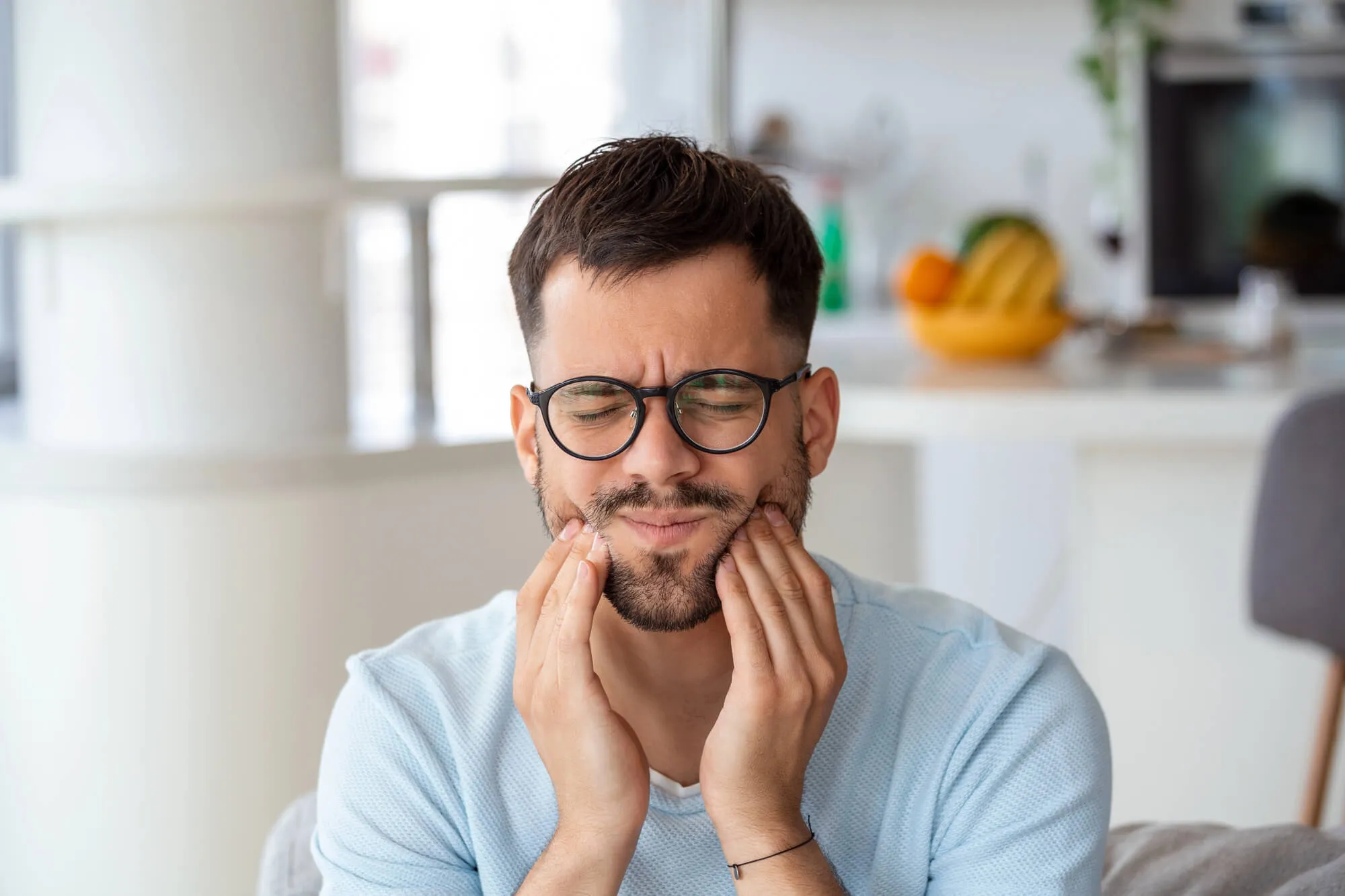
Aging does not automatically lead to dental problems. Still, natural wear, lifestyle factors, and health changes can influence your teeth and gums over time.
Many adults notice that their teeth become more sensitive with age. This can happen as enamel gradually wears down from years of chewing, brushing, and exposure to acidic foods and beverages.
Gum recession may also expose root surfaces that are naturally more sensitive than enamel. As a result, hot coffee, cold drinks, or sweet foods may trigger discomfort that was never there before.
Your teeth work hard every day. Decades of chewing can gradually wear down biting surfaces, especially if you grind or clench your teeth.
This wear may appear as:
While some wear is expected, excessive damage can affect both comfort and function.
Gums may naturally recede over time, making teeth appear longer than they once did. Brushing too aggressively, periodontal disease, and genetics can all contribute to this process.
Receding gums can increase sensitivity and create areas where plaque is more likely to accumulate. Regular dental visits help monitor these changes before they lead to larger concerns.
Saliva helps wash away food particles and bacteria. As adults get older, dry mouth becomes more common, often due to medications, certain medical conditions, or changes in overall health.
A decrease in saliva can increase the risk of:
Staying hydrated and discussing symptoms with your dentist can help manage the problem.
Even adults who have never experienced gum problems can notice changes over time. Gums may become more prone to inflammation, especially if plaque builds up around the teeth.
Early signs may include:
Addressing these symptoms early can help support long-term oral health.
Fillings, crowns, and other restorations are durable, but they are not designed to last forever. Older dental work may wear down, loosen, or develop small gaps over time.
Routine exams allow your dentist to evaluate existing restorations and determine whether repairs or replacements are needed.
Many oral health changes happen gradually. Because they develop slowly, they can be difficult to notice on your own.
Regular dental exams allow your dentist to:
Preventive care remains valuable at every age, whether you’re in your thirties, fifties, or beyond.
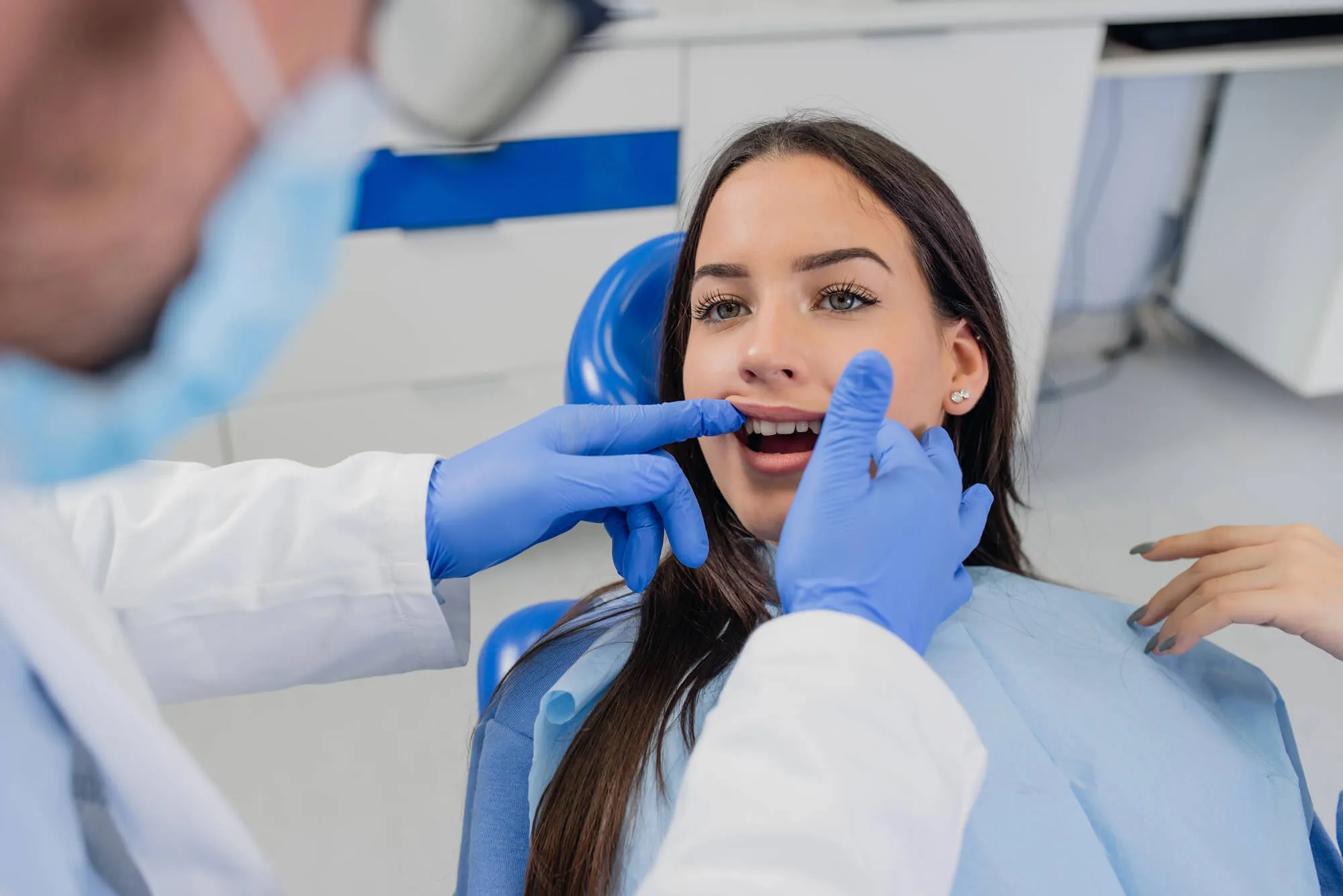
Aging brings change, but it doesn’t mean you have to accept discomfort or declining oral health. Understanding what to expect can help you make confident decisions about your dental care.
At 5th Avenue Dental, we focus on helping patients maintain healthy, functional smiles through every stage of life. If you’ve noticed sensitivity, gum changes, dry mouth, or other concerns, schedule a visit with a dentist in 33431 today. Our team is here to provide personalized care that supports your comfort, confidence, and long-term oral health.

A dental practice dedicated to your wellbeing. Welcome to your new home for comprehensive, high-quality dental care.


Copyright © 2024. 5th Avenue Dental - All rights reserved.
Designed and Maintained by Digital Resource


